South Kensington gardeners for SW7 terrace gardens Exhibition Road
Posted on 10/10/2026
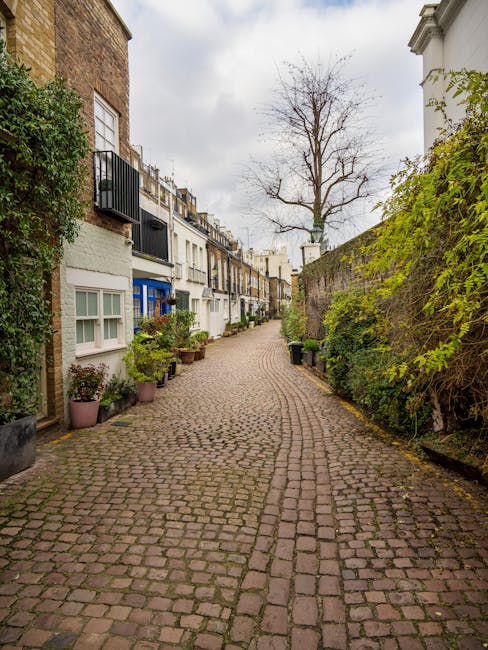
South Kensington gardeners for SW7 terrace gardens Exhibition Road: expert terrace garden care for elegant SW7 homes
If you live near Exhibition Road, you already know the setting has its own rhythm: busy streets, elegant flats, compact outdoor spaces, and gardens that need to look good without becoming high-maintenance headaches. That is exactly where South Kensington gardeners for SW7 terrace gardens Exhibition Road come in. A terrace garden in this part of London needs more than a tidy-up now and then; it needs thoughtful planting, smart use of space, and year-round care that respects both the property and the realities of city weather.
In this guide, we'll walk through what terrace garden gardening actually involves, why it matters in SW7, how professionals approach the work, and what to look for if you want a result that feels calm, polished, and genuinely usable. You'll also find practical steps, a checklist, a comparison table, and the sort of advice that helps you avoid the usual mistakes. Let's face it: a small terrace can either feel cramped and forgettable or quietly brilliant. The difference is usually in the details.
Why South Kensington gardeners for SW7 terrace gardens Exhibition Road Matters
Terrace gardens in South Kensington are not just "small gardens". They are often elevated, partially sheltered, overlooked by neighbours, and exposed to wind tunnels between buildings. On Exhibition Road, where architecture and public life sit so close together, a terrace needs to work hard on every level: privacy, presentation, planting, drainage, and day-to-day ease.
That's why specialist local gardeners are so valuable. They understand how to balance aesthetics with practicality in a setting where space is limited and standards tend to be high. A good terrace garden should never feel like a leftover patch of paving with a few pots dropped onto it. It should feel planned. Intentional. Calm, even in the middle of the city.
There's also a very real maintenance angle. SW7 gardens can quickly become untidy if planting is chosen badly or if seasonal care is skipped. Slippery paving, congested planters, wind-rocked climbers, or thirsty pots in summer can all creep up on you. If you've ever looked out at a tired terrace in January and thought, "Right, this needs sorting," you're not alone.
Local expertise matters because terrace gardens in this area often need a layered approach. That may include careful landscaping, regular garden maintenance in South Kensington, and practical support like patio cleaning or decking services where hard landscaping is part of the design.
How South Kensington gardeners for SW7 terrace gardens Exhibition Road Works
The work usually starts with a clear view of the space: orientation, shade, exposure, access, and how you actually use the terrace. Is it a morning coffee spot? A place for dinner outdoors? A quiet green view from a study or bedroom? Those answers shape everything.
From there, a professional gardener may break the project into manageable parts. On a terrace, that often means a mix of planting, structure, surface care, and ongoing maintenance. Rather than forcing a large-garden mindset onto a compact space, the gardener uses scale carefully. This is where a good eye makes all the difference.
Typical terrace garden work in SW7 might include:
- container planting and planter arrangement
- seasonal bedding or evergreen structure
- climbing plants for screens, fences, or walls
- weed control and feed schedules
- pruning, shaping, and hedge care
- pressure-free upkeep of paving, patios, and decked areas
- tree and shrub assessment where growth affects light or privacy
In our experience, terrace gardens work best when design and maintenance are treated as one job, not two separate ones. A beautiful layout is only beautiful for as long as it is manageable. That's the honest bit people sometimes skip.
Good local gardeners also know where practical support links together. For example, privacy planting may be paired with hedge trimming in South Kensington, while larger outdoor improvements can sit alongside broader gardening services or even lawn care if the property includes a small lawned section.
Key Benefits and Practical Advantages
A well-managed terrace garden does more than look nice in photos. It improves how the whole property feels. That may sound obvious, but the emotional effect of a decent outdoor space is hard to overstate. Open the doors on a spring morning and see healthy planting, clean edges, and a calm layout, and the room beyond suddenly feels bigger.
Here are the main benefits people usually notice first:
- More usable space: smart planting and layout make a compact terrace feel less cramped.
- Better privacy: climbers, screens, and structured planting can reduce overlooking.
- Lower stress: tidy, resilient planting is easier to live with than constant mess.
- Improved property presentation: especially important in a premium area like SW7.
- Seasonal interest: evergreen structure and layered planting keep the garden alive through the year.
- Safer surfaces: regular patio care helps reduce algae, grime, and slip risk.
There's also the matter of long-term value. A terrace garden that is easy to maintain tends to stay attractive. That means fewer emergency resets, fewer sad-looking pots in August, and fewer weekends lost to catch-up gardening. Which, frankly, is a relief for most busy households.
For people who like a softer, more natural feel, ground cover, climbers, and container combinations can be especially effective. If that sounds like your sort of thing, you may also find the ideas in this guide to ground cover planting and evergreen climbers useful for sparking ideas.
| Terrace garden goal | Best approach | Why it works in SW7 |
|---|---|---|
| Privacy from neighbouring windows | Layered planting, climbers, slim screens | Creates cover without making the terrace feel boxed in |
| Low-maintenance greenery | Evergreens, robust containers, simple planting groups | Reduces watering and seasonal replanting |
| Entertaining space | Defined seating, clear circulation, clean hard surfaces | Makes small spaces feel organised and welcoming |
| Year-round appeal | Mixed structure, winter interest, reliable planting bones | Prevents the terrace from looking bare in colder months |
Who This Is For and When It Makes Sense
Not every terrace needs a full redesign. Sometimes a little maintenance and a few clever changes are enough. But there are certain situations where bringing in South Kensington gardeners for SW7 terrace gardens Exhibition Road makes a lot of sense.
This tends to suit:
- homeowners who want a polished outdoor space without constant DIY upkeep
- tenants or landlords preparing a property for presentation
- busy professionals who use the terrace occasionally but want it to look good all the time
- families who need a safer, tidier outdoor area
- people dealing with tired containers, poor drainage, or patchy planting
- anyone wanting better privacy from overlooking neighbours
It also makes sense when the space has started to fight back a bit. You know the signs: containers drying out too fast, plants leaning into the wind, weeds emerging from the same corners again and again, and paving that somehow looks dusty two days after cleaning. A terrace can become a low-grade irritation very quickly.
If you're unsure whether the issue is design or maintenance, that's normal. Often it's both. A good starting point is to look at the space honestly and decide whether you need a refresh, ongoing care, or a full planning reset. For people in that stage, a garden makeover guide can help you think through the first move.
Step-by-Step Guidance
If you want a terrace garden that feels easy to live with, the sequence matters. Rushing straight to plants usually leads to disappointment later. Better to begin with the bones of the space and work outwards.
-
Assess light, wind, and access
Start with the basics. Where does the sun fall? Where does the wind cut through? Which areas are awkward to reach? Terrace gardens in SW7 can vary hugely from one building to the next, even on the same street.
-
Decide the main purpose
Will the terrace be used for dining, quiet reading, entertaining, or simply as a pleasant view? A seating-led space needs different treatment from a planting-led one. No one wants to move chairs around planters every time they step outside. Well, not for long anyway.
-
Sort the hard surfaces first
Clean paving, repair timber, check drainage, and deal with slippery or tired surfaces before adding new plants. This is where patio cleaning in South Kensington can make a surprisingly big difference.
-
Build a planting structure
Use a mix of evergreen anchors, seasonal interest, and one or two focal plants. Container gardening works especially well in terrace settings because it gives you control over soil, movement, and visual balance. If you want to explore that route, container gardening ideas are a good reference point.
-
Add privacy without losing light
Use layered planting, climbing plants, or slender screening rather than heavy barriers wherever possible. The aim is to soften views, not build a wall. For fast-growing privacy planting ideas, see fast hedge options for privacy.
-
Choose furniture and features last
Once the layout is clear, add seating, lighting, and decorative touches. If the space is tight, one well-chosen bench or bistro set is often better than cramming in too much. For a few useful thoughts on this, read strategic seating choices for outdoor spaces.
-
Set a maintenance rhythm
Agree on watering, deadheading, trimming, and seasonal review. A terrace garden should have a routine. Even a light one. Otherwise it drifts, and drift is how nice spaces slowly become average.
Expert Tips for Better Results
Here's the sort of advice that tends to make a real difference in terrace gardens, especially around Exhibition Road where space and presentation both matter.
- Think in layers. Use low planting, mid-height structure, and vertical features together so the terrace feels full without becoming cluttered.
- Use containers with restraint. Too many pots make a terrace look busy. A smaller number of larger, better-proportioned planters usually looks smarter.
- Prioritise wind tolerance. Wind at height can snap stems, dry pots, and unsettle lightweight features. If your terrace catches a breeze, plan for it. The advice in protecting a garden from wild winds is worth a look.
- Use evergreen structure. This gives the garden shape in winter and stops it looking empty between flowering periods.
- Keep a simple palette. Repeating a few plants and materials creates calm. It is easier on the eye too.
- Don't ignore watering access. If you can't water the whole terrace easily, the planting plan is wrong for the space.
A small human truth: the best terrace gardens rarely look overloaded. They look edited. That's the secret, really. Not minimal in a cold way, just thoughtful.
If you are working with herbs, compact edible plants, or decorative scent planting, a contained herb area can add a lot without much fuss. The guide to crafting a practical herb garden is a nice fit for that style.
Common Mistakes to Avoid
Terrace gardens can go wrong in predictable ways. Nothing disastrous, usually. Just annoying enough to spoil the experience.
- Using plants that outgrow the space. Big shrubs in small planters often become a maintenance problem, not a design feature.
- Ignoring drainage. Standing water in pots or against paving is a sign the setup needs attention.
- Choosing too many "statement" items. One focal point is enough. Two can be fine. Five is where the room starts to argue with itself.
- Forgetting winter structure. A terrace that only looks good in summer can feel bleak for half the year.
- Skipping routine care. Light maintenance is easier than rescue work. Much easier.
- Overlooking access and safety. Narrow steps, awkward corners, and slippery surfaces need practical handling.
Another common issue is trying to make a terrace feel larger by clearing everything away. Sometimes that helps. But sometimes it leaves the space feeling exposed and unfinished. The trick is balance. A little cover, a little openness, and a clear route through the garden. Simple on paper, a bit fiddly in real life.
Tools, Resources and Recommendations
You do not need a shed full of gadgets to maintain a terrace garden, but a few reliable tools make the job far less frustrating. If you are doing light upkeep yourself between professional visits, these are the basics worth having.
- quality secateurs for deadheading and small pruning jobs
- a hand trowel and small fork for container planting
- a watering can or hose attachment that reaches all planters
- gloves that actually fit properly
- a stiff brush for sweeping leaves and debris
- basic feed and compost suited to the plants you grow
For a better sense of practical kit, this tool guide for gardeners covers the essentials in a straightforward way.
It also helps to know where specialist support fits in. For example, if the terrace includes shaped shrubs or screening hedges, hedge trimming services can keep the structure neat. If growth is too close to walls or windows, tree surgery in South Kensington may be the safer route. And if boundary definition matters, fencing services can support privacy and containment.
For homeowners who want to understand how service, upkeep, and presentation fit together, the main gardening services page is a sensible place to compare options.
Law, Compliance, Standards, or Best Practice
Terrace garden work does not usually involve complicated regulation, but there are still important best-practice points to keep in mind. In a place like South Kensington, properties may sit within flats, leaseholds, or managed buildings, so access and alterations often need to be handled carefully and respectfully.
Here are the main things to think about:
- Lease or building rules: if you share walls, balconies, roofs, or communal access, check the property rules before changing anything structural.
- Safety first: elevated spaces, loose pots, and heavy planters need stable placement so they don't become hazards in wind or poor weather.
- Waste handling: garden waste should be removed responsibly and in line with site arrangements.
- Access and disturbance: work should be planned to minimise disruption to neighbours, especially in close-set terrace environments.
- Insurance and trust: for larger jobs, it is sensible to work with providers who can explain how they handle safety and liability.
If you are comparing providers, it is fair to ask about insurance and safety, as well as the basics around terms and conditions, privacy policy, and payment and security. Those are not glamorous topics, admittedly, but they matter. Especially when you are letting someone work around your home.
Good practice also means clear communication: agree what is included, what happens if weather interrupts the job, and how ongoing maintenance will be handled. Professionalism is often visible in the small things.
Options, Methods, or Comparison Table
Not every terrace garden needs the same level of intervention. The right method depends on your goals, budget, and the current condition of the space. Here's a simple comparison that may help.
| Approach | Best for | Strengths | Trade-offs |
|---|---|---|---|
| Maintenance-led care | Established terrace gardens that only need regular upkeep | Cost-conscious, steady, easy to schedule | Won't fix deeper design issues |
| Refresh and replant | Spaces that feel tired but have good structure | Quick visual improvement, better seasonal interest | May still need future structural changes |
| Full terrace redesign | Problem spaces, major privacy issues, or awkward layouts | Most flexible, best long-term results | Requires more planning and usually more time |
| Seasonal styling only | Rented homes or short-term presentation needs | Fast, attractive, lower commitment | Not ideal for long-term garden performance |
If your terrace is mostly structurally sound, a refresh can go a long way. If it is constantly windy, exposed, or cluttered with underperforming plants, a redesign may save money over time. That sounds counterintuitive at first, but it often proves true.
Case Study or Real-World Example
A typical Exhibition Road terrace might start with a familiar mix: a narrow paved area, several mismatched pots, one small shrub struggling in the wind, and a seating set that is technically usable but not especially inviting. The space is fine. Just fine. Not terrible, not lovely.
A practical redesign would begin by cleaning the hard surfaces, removing weak planting, and identifying where the terrace gets morning light versus afternoon shade. Then the gardener might introduce a few strong evergreens in large containers, add climbers for softness and privacy, and group herbs or seasonal flowers in a way that feels intentional rather than random.
The change is often less dramatic than people expect, and more effective. The terrace starts feeling like part of the home instead of a forgotten edge. There may be a better place for coffee, a calmer view from inside, and less watering chaos in warm weather. One client-style scenario, to be fair, is someone who says they only wanted "a bit of green" and ends up using the terrace every evening because it finally feels comfortable.
That is the real win. Not perfection. Usefulness, ease, and a little bit of joy when you open the door.
Practical Checklist
Use this checklist before you start any terrace garden work or when you review an existing setup:
- Have I assessed sun, shade, and wind exposure?
- Do I know the main purpose of the terrace?
- Are the paving, decking, or patio surfaces clean and safe?
- Is drainage working properly in planters and around hard surfaces?
- Do I have enough evergreen structure for winter interest?
- Have I chosen plants that suit containers and local conditions?
- Is privacy addressed without blocking too much light?
- Do I have a realistic watering and maintenance plan?
- Have I considered neighbour sightlines and building rules?
- Would professional support save time, stress, or repeated repairs?
Quick takeaway: a good terrace garden in SW7 is usually simple in concept, careful in layout, and disciplined in maintenance. That combination is what makes it feel expensive and calm, even if the footprint is modest.
Get a free quote today and see how much you can save.
Conclusion
South Kensington gardeners for SW7 terrace gardens Exhibition Road are not just about keeping pots alive. They are about turning a compact outdoor area into something practical, private, and genuinely pleasant to use. In a neighbourhood where space is precious and presentation matters, the best results come from experience, restraint, and a solid understanding of how terrace gardens behave across the seasons.
If you plan carefully, prioritise the right plants, and keep up with the small jobs before they become big ones, your terrace can stay elegant without becoming a burden. And that, really, is the sweet spot. A garden you enjoy rather than manage.
When done well, even the smallest SW7 terrace can feel like a quiet pause in the middle of London. That's worth getting right.

With extensive experience in the gardening business, Charles emerges as a seasoned author capable of crafting a variety of articles covering a wide spectrum of landscaping topics. His proficiency as a writer has been instrumental in assisting thousands of individuals with their gardening requirements.