Gardeners for tight access mews gardens in South Kensington
Posted on 20/11/2026
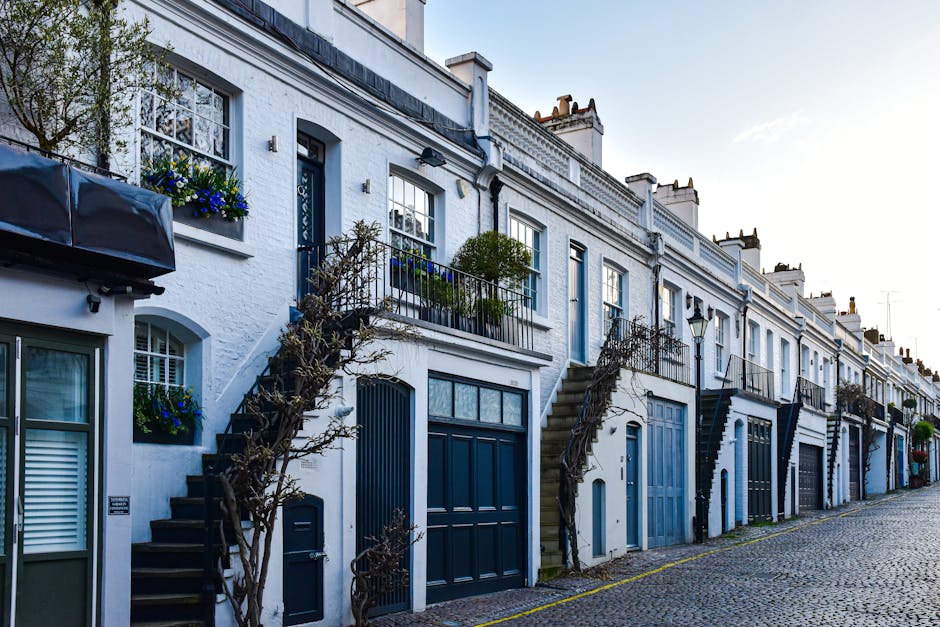
Gardeners for Tight Access Mews Gardens in South Kensington
Finding the right gardeners for tight access mews gardens in South Kensington is a bit more specific than booking a general garden tidy-up. These spaces are often compact, tucked behind buildings, reached through narrow side passages, or shaped by awkward steps and shared access routes. That changes everything: the way materials come in, how waste goes out, which plants make sense, and even how long a job takes.
In a mews garden, good gardening is not just about looks. It is about precision, planning, and being realistic about access. A skilled team will work around the site rather than against it, protecting paving, respecting neighbours, and making the most of every inch. If you want a garden that feels calm, polished, and genuinely usable, this guide will show you what to expect, what to ask for, and how to avoid the usual headaches.
There is a real difference between a garden that simply survives and one that feels quietly well considered. Let's get into the practical side of it.
Why Gardeners for tight access mews gardens in South Kensington Matters
South Kensington mews gardens tend to be charming, but also awkward. The charm is obvious: brick walls, private entrances, small courtyards, clipped boundaries, and that distinctive London feel. The awkward bit is access. You may have a side gate that is just wide enough for a barrow, a staircase with a sharp turn, or shared access that needs careful timing. In practice, that means a standard garden team can waste time, damage surfaces, or simply bring the wrong setup.
Tight access changes the whole working method. For example, heavy bags of compost may need to be split into smaller loads. A new planting scheme may need to rely on container-grown plants that can be moved by hand rather than awkward root balls. Even hedge trimming can become a two-person task if there is no safe place to set ladders. That is why specialist gardeners matter here: they think in terms of logistics as much as horticulture.
There is also the local context. Mews properties often sit close together, so noise, timing, dust, and waste handling are not minor details. They are part of the job. Good gardeners know how to keep disruption low, which is especially helpful if neighbours overlook the space or if access passes through communal areas. To be fair, this is the sort of thing you only really appreciate after one messy visit from the wrong contractor.
How Gardeners for tight access mews gardens in South Kensington Works
A proper tight-access job starts before anyone arrives with tools. The first step is usually an access survey, even if it is informal. This is where the gardener looks at gate widths, path surfaces, turning space, storage points, water access, and the safest route in and out. A quick conversation can save a lot of time later.
From there, the work tends to be broken into manageable stages:
- Assessment and planning. Measure access points, identify fragile surfaces, and decide which materials can actually be moved through the space without trouble.
- Protection of surfaces. Paving, decking, steps, and brick thresholds often need boards, mats, or careful route planning.
- Manual handling strategy. In many mews gardens, smaller tools and lighter loads are simply smarter than trying to force standard large-scale methods.
- Work execution. This may include pruning, planting, weeding, lawn care, hedge trimming, container work, or even small-scale landscaping.
- Clear-down and waste removal. Green waste must be bagged, carried out safely, and removed without leaving a mess behind.
If the garden is being redesigned, the method may also involve choosing plants and materials that are access-friendly for future maintenance. That might sound obvious, but it is often overlooked. A planting plan that looks lovely on paper can become a nuisance if it depends on regularly hauling huge replacement shrubs through a narrow passage.
For readers exploring more compact design ideas, a useful companion read is simple and effective private backyard landscaping ideas. If you are trying to make a small garden feel bigger, the vertical approach to sky-high gardening is also worth a look.
Key Benefits and Practical Advantages
The most obvious benefit is access-aware workmanship. But there is a little more to it than that. A specialist approach saves time, avoids damage, and usually gives a better final result because the job is planned around reality rather than wishful thinking. That matters a lot in a mews setting.
- Less disruption: careful movements, tidy staging, and sensible timing reduce noise and neighbour friction.
- Reduced risk of damage: narrow routes and delicate surfaces need different handling than a front-garden job with open access.
- Better use of space: compact gardens benefit from layered planting, vertical structure, and multi-use features.
- Easier maintenance: once a garden is designed around access, future upkeep becomes much simpler.
- Cleaner results: waste, soil, clippings, and tools are managed in a more controlled way.
There is also a visual advantage. Tight-access gardens often look their best when they are stripped back a little and edited with intent. A cluttered courtyard can feel smaller than it is. A well-kept mews garden, on the other hand, can feel surprisingly generous. That shift is mostly about proportion, plant choice, and restraint. Not every square foot needs to be filled.
If your goal is a low-fuss outdoor space, it may help to pair the work with ideas from frugal tips for a low-maintenance backyard oasis and container gardening for compact spaces. Both approaches fit mews gardens beautifully.
Who This Is For and When It Makes Sense
This service is ideal if you own or manage a mews property, courtyard, basement garden, or narrow rear garden in South Kensington. It is also a strong fit if access is limited through a shared passage, a side alley, a narrow gate, or an internal route from the house. In other words, if moving a wheelbarrow already feels like a small logistics event, you are probably in the right category.
It makes sense in these situations:
- the garden needs regular maintenance but access slows everything down
- you are planning a refresh and need planting that suits confined movement
- you want privacy without crowding the space
- you have mature planting that needs pruning or reshaping
- you need a one-off clearance after a long period of neglect
- you want a garden that is child-friendly, pet-aware, or simply easier to manage
It is also a good option for landlords and property managers. Mews gardens are often part of a premium rental or resale presentation, and a tidy, coherent outdoor space can make a noticeable difference. Still, the work needs to be handled carefully; over-ambitious changes can make access worse, not better. That is the trap.
For people wanting a calmer or more private feel, the ideas in find your zen ideas for a calm garden space and fast-growing hedge privacy ideas can be especially useful.
Step-by-Step Guidance
If you are planning to hire gardeners for a tight access mews garden, a simple process keeps everything smoother.
- Walk the access route. Open the gate, check the turn angles, note any fragile surfaces, and look for overhead obstructions.
- List the real constraints. Is there no storage? Is the neighbour's driveway part of the access route? Is water only available from inside the property? Say it upfront.
- Decide the garden's purpose. Do you want more planting, less maintenance, privacy, seating, pet-safe surfaces, or all of the above?
- Set a realistic scope. In a compact garden, less can genuinely be more. A few good changes often beat a crowded redesign.
- Choose access-friendly materials. Lightweight compost, modular planters, slimline seating, and manageable planting stock all help.
- Sequence the work. Clearance first, then structural changes, then planting, then finishing details like edging and clean-up.
- Plan for maintenance. A good finish is only half the job. Think ahead to watering, pruning, and seasonal tidy-ups.
As a practical example, a narrow mews courtyard with a tired border might be transformed by removing clutter, refreshing the paving joints, replacing one bulky shrub with a pair of lighter structural plants, and adding three deep containers instead of trying to force in a full border replant. Small changes. Big difference.
If you are unsure where to begin, a general refresh can be a useful starting point. See jumpstarting your garden makeover for a broader reset approach.
Expert Tips for Better Results
When access is tight, the best results usually come from restraint and consistency. A few expert habits make a noticeable difference.
- Work with the route, not against it. If there is only one practical access line, plan the job around it so tools are not constantly shuttled back and forth.
- Choose plants by future movement needs. It is not only about what looks good now. It is about what can be watered, clipped, and replaced later without a struggle.
- Use vertical layers. Wall-trained climbers, trellises, and slim evergreen structure can add depth without stealing floor space.
- Keep containers mobile where possible. That way you can clean, repaint, or rework the layout later without a major upheaval.
- Don't overpack the garden. Tight gardens get visually tired fast. A little breathing room is a luxury, honestly.
- Schedule around weather. Wet paving, slippery steps, and muddy access make everything harder, especially during winter or after a damp morning in London.
One small but helpful detail: ask how waste will be moved out. It sounds basic, but in a tight-access garden this can be the difference between a quick tidy-up and an awkward day of dragging bags through the property one at a time. Nobody enjoys that. Nobody.
For extra inspiration on resilient planting and structure, take a look at the role of evergreen climbers and ground cover plants that work hard in small spaces.
Common Mistakes to Avoid
Tight-access mews gardens are easy to get wrong in small but annoying ways. The main mistakes are not dramatic; they are usually practical oversights.
- Choosing plants that are too big for future maintenance. A shrub may fit on day one, but if it blocks access in year two, you have created your own problem.
- Ignoring access widths for materials. A delivery might be possible for a plant tray or panel, but not for the same item once it is fully assembled.
- Overloading the garden with features. Too many planters, lights, seats, and ornaments can make cleaning and movement awkward.
- Skipping surface protection. Narrow routes often include paving, brick, or timber that marks easily.
- Forgetting seasonal access issues. In wet weather, the garden may need a different route, different footwear, or a slower pace.
- Underestimating waste volume. A tidy-looking prune can create a surprising amount of clippings once everything is cut back.
Another quiet mistake is assuming a small garden needs no planning. Actually, it needs more. Every choice is visible. Every inch counts. That is why mews gardens reward thoughtful decisions and punish careless ones. A bit harsh, perhaps, but true.
For users with pets or children, the design needs even more care. The related articles on dog-friendly garden design and child-friendly garden features are useful companions here.
Tools, Resources and Recommendations
The right kit makes tight-access work far easier. You do not need every gadget under the sun, but you do need tools that are compact, reliable, and easy to move.
| Need | Best-fit approach | Why it helps in a mews garden |
|---|---|---|
| Cutting back shrubs and climbers | Lightweight secateurs, loppers, and compact hedge tools | Easier to carry through narrow routes and safer around walls |
| Moving soil and waste | Small tubs, rubble sacks, and staged loading | Reduces strain and keeps access clear |
| Reworking planting areas | Container-friendly plants and narrow border tools | Lets the team work neatly without disturbing the whole layout |
| Cleaning hard surfaces | Manual sweeping and controlled washing | Better for delicate paving and shared access |
| Adding privacy | Climbers, screening plants, or well-managed hedging | Creates enclosure without stealing too much space |
It is also worth thinking about the design style itself. Mews gardens often respond well to a calm palette, repeat planting, and good structure. For more on seating and comfort, strategic seating choices can help you turn a narrow garden into a genuinely usable room outdoors. And if you like a more sustainable touch, turning garden waste into something useful is a handy mindset to adopt.
Law, Compliance, Standards or Best Practice
For this kind of garden work, the main compliance issues are practical rather than dramatic. Contractors should follow safe manual handling practices, use suitable PPE where needed, and take care around steps, boundaries, and shared routes. If access is shared with neighbours or involves communal land, courtesy and communication matter just as much as the tools themselves.
Good practice usually includes:
- checking access permissions before moving equipment through shared spaces
- protecting floors, paving, and thresholds from marks or impact
- managing waste in line with local expectations and the property's arrangements
- using the right lifting method for the load instead of guessing
- working in a way that keeps the site safe for residents, visitors, and passers-by
If you are comparing providers, it is sensible to look at public-facing trust information such as an insurance and safety overview, plus clear service terms and payment information. Those pages do not make the garden prettier, of course, but they do tell you a lot about how the company operates. And that matters.
For long-term care, the most useful standard is often simple consistency: tidy routines, sensible plant choices, and a finish that can be maintained without special effort every single week. In a mews setting, that is usually the winning formula.
Options, Methods, or Comparison Table
There are several ways to approach a tight-access mews garden. The best one depends on your goals, budget, and how much ongoing maintenance you want to take on.
| Approach | Best for | Pros | Trade-offs |
|---|---|---|---|
| Light maintenance only | Established gardens that mostly need tidying | Fast, low disruption, cost-conscious | Doesn't solve layout or planting issues |
| Planting refresh | Gardens that feel tired but structurally sound | Big visual improvement without heavy work | Needs good plant selection and seasonal follow-up |
| Hard landscaping updates | Spaces with poor flow, damaged paving, or awkward seating | Improves function and longevity | More planning, more access logistics |
| Full redesign | Overgrown or poorly arranged mews gardens | Best transformation potential | Longer timeline and more decision-making |
In a tight-access property, a planting refresh is often the sweet spot. It tends to deliver the most visual value for the least hassle. Full redesigns can be brilliant, but only when the access plan is genuinely thought through. Otherwise, the project ends up feeling heavier than it needs to be.
Case Study or Real-World Example
A typical South Kensington mews garden might start as a narrow courtyard with tired patio joints, a few overgrown shrubs, poor privacy, and awkward movement between the back door and the planting area. The access is limited to a slim side route, so every material has to be carried manually. No machine shortcut, no drama, just careful work.
In one realistic setup, the first visit would focus on clearing the clutter, removing dead growth, and identifying which plants could stay. Next, the paving would be cleaned and reset visually with simple edging. Instead of trying to cram in more plants, the gardener would introduce a small number of well-chosen containers, some evergreen structure for winter interest, and a climber on a wall or trellis to draw the eye upward. A compact bench would be placed where the light is best in the late afternoon. Not oversized. Just right.
The result is usually not a showy transformation. It is better than that. The garden becomes easier to walk through, easier to maintain, and more pleasant to sit in after work with a cup of tea and ten quiet minutes. That is the real win. You notice it when you stop fighting the space and start using it properly.
Practical Checklist
Use this before booking or starting work in a tight-access mews garden.
- Measure the narrowest access point, including gates and turns
- Check whether materials can be carried through safely by hand
- Identify fragile paving, steps, or shared surfaces that need protection
- List the main outcomes you want: tidier, more private, easier to maintain, or redesigned
- Choose plants that suit compact spaces and future access needs
- Ask how waste will be removed from the site
- Confirm timing, noise expectations, and neighbour-sensitive working hours
- Decide whether you want garden maintenance, hedge trimming, lawn care, or a broader landscaping update
- Think about seating, storage, and watering before the final layout is set
- Keep the design simple enough that it can be maintained comfortably
That final point is the one people often skip. Then they regret it later. A little simplicity goes a long way here.
Conclusion
Gardeners for tight access mews gardens in South Kensington need to bring more than horticultural skill. They need planning, care, a steady hand, and the ability to work neatly in constrained conditions. When that is done well, even the most awkward little courtyard can become a calm, attractive, genuinely useful outdoor space.
The best results usually come from thoughtful decisions: fewer but better plants, access-friendly materials, regular maintenance, and a layout that respects the way the space is actually used. It does not have to be complicated. In fact, the less cluttered the thinking, the better the garden usually feels.
Get a free quote today and see how much you can save.
If you are ready to improve a mews garden, the next step is usually simple: get the access checked, define the brief clearly, and choose a team that understands the realities of compact London gardens. Once that is in place, the rest becomes much easier. And, to be fair, a lot more enjoyable too.

With extensive experience in the gardening business, Charles emerges as a seasoned author capable of crafting a variety of articles covering a wide spectrum of landscaping topics. His proficiency as a writer has been instrumental in assisting thousands of individuals with their gardening requirements.